
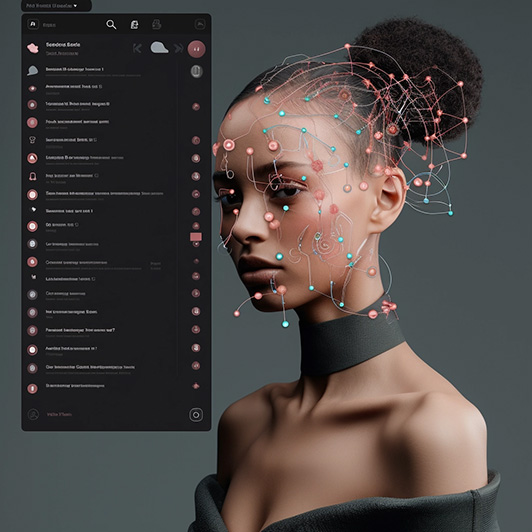
As AI becomes increasingly prevalent in recruitment, particularly within the financial services sector, job applicants are facing a new landscape with both opportunities and challenges.
AI Adoption in Recruitment
IBM research indicates a growing trend, with 4 out of 10 companies leveraging AI to enhance their hiring processes. This shift is driven by the need to address inefficiencies and tap into a shrinking talent pool, as highlighted by IBM’s analysis of the job market.
AI Applications in Hiring
AI-powered platforms like HireVue and Pymetrics offer various functionalities, from automated CV screening to analyzing candidates’ body language during video interviews. These tools promise efficiency gains and insights into candidates’ suitability for roles. Moreover, they enable recruiters to evaluate candidates’ cognitive abilities and emotional intelligence, providing a holistic view of their potential fit within the organization.
Benefits for Employers
For employers, AI recruitment platforms offer a range of benefits, including improved efficiency, reduced biases, and enhanced candidate experiences. These platforms streamline processes, provide valuable analytics, and ensure compliance with legal standards. By automating routine tasks and focusing on relevant criteria, AI helps promote diversity and inclusion in hiring practices, ultimately leading to more strategic talent acquisition.
Evaluating Effectiveness
Studies suggest that AI-driven recruitment tools can significantly reduce time-to-hire, lower costs, and increase the quality and diversity of hires. However, concerns remain regarding transparency, fairness, and candidates’ trust in the process. As businesses embrace AI, it is essential to measure the effectiveness of these tools continuously and address any biases or inaccuracies that may arise.
Challenges and Concerns
Applicants may feel uneasy about being evaluated by algorithms, raising concerns about fairness, bias, and privacy. Additionally, companies must address issues such as transparency, data security, and compliance with legal standards. While AI offers undeniable benefits for recruitment, it is crucial to mitigate potential risks and ensure a fair and ethical hiring process.
Navigating the Future
While AI continues to reshape recruitment practices, businesses in the financial sector must embrace technology while upholding principles of fairness, transparency, and respect for candidates. By leveraging AI responsibly and addressing potential pitfalls, organizations can build a recruitment process that is both efficient and inclusive, driving positive outcomes for employers and candidates alike.
Conclusion
As AI continues to reshape recruitment practices, businesses in the financial sector must navigate the evolving landscape with caution and foresight. By integrating AI tools with human-centric practices and maintaining transparency and ethical standards throughout the hiring process, organizations can harness the full potential of technology while ensuring fairness and inclusivity in recruitment. Ultimately, by striking the right balance between efficiency and fairness, businesses can build a workforce that drives innovation, growth, and success in the digital age.